Histamine Intolerance Diet Plan 2026 Guide to Healing
Navigating a histamine intolerance diet plan requires a strategic shift from aged, fermented, and processed foods toward a “fresh-first” philosophy.
Histamine is a natural compound found in many healthy foods, but for those with a deficiency in the DAO enzyme, it can accumulate and trigger a wide range of systemic sensitivities.
In 2026, the focus has moved away from purely restrictive eating to a proactive, anti-inflammatory approach that supports gut integrity and metabolic harmony.
By prioritizing ingredients that have been minimally handled and quickly chilled, you can significantly lower your “histamine bucket” and reclaim a life free from unpredictable flare-ups.
This histamine intolerance diet plan is designed to be your roadmap, helping you identify safe, nutrient-dense alternatives that satisfy your palate while soothing your internal environment.
Through mindful preparation and intentional sourcing, you can transform your relationship with food into one that fosters resilience, clarity, and total body wellness.
The Freshness First Principle of a Histamine Intolerance Diet Plan
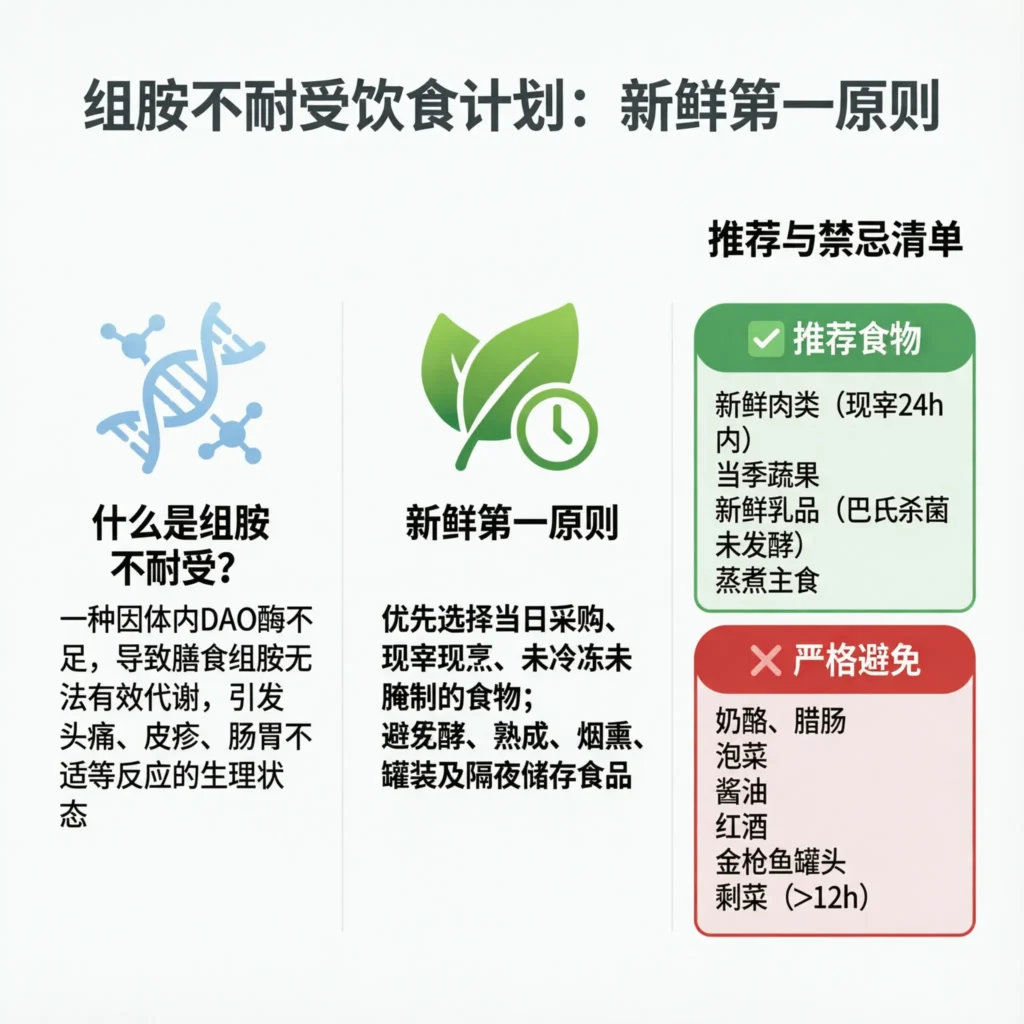
The most fundamental rule of a successful histamine intolerance diet plan is the “freshness factor.”
Histamine levels in food, particularly in proteins, increase as bacteria break down amino acids over time.
In 2026, we utilize the “zero-aging” approach, which means choosing meat and fish that have been flash-frozen immediately after harvest.
For a busy beginner in the USA, this might mean shopping in the frozen aisle rather than the butcher counter, ensuring that the enzymatic activity is halted before the food ever reaches your kitchen. 🧊
When following a histamine intolerance diet plan, leftovers are also a major consideration.
Food that sits in the refrigerator for even 24 hours can develop significant histamine levels.
A pro-tip is to cook in batches and immediately freeze individual portions rather than leaving them in the fridge.
This simple logistical shift can make a world of difference in your daily symptom management.
By making “freshness” your primary filter, you reduce the baseline stress on your digestive system and allow your body’s natural DAO enzymes to work more effectively on the foods you enjoy. 🥩
Selecting Low-Histamine Proteins for Maximum Metabolic Support
Protein is vital for tissue repair and immune function, but it is often the trickiest category in a histamine intolerance diet plan.
You must strictly avoid aged meats like salami, pepperoni, or aged steaks, as well as shellfish and most canned fish.
Instead, focus on fresh chicken, turkey, or very fresh white fish like cod or trout.
If you prefer plant-based options, fresh legumes are generally safer than fermented soy products like tempeh or miso, which are high-histamine “red flags.” 🍗
In a modern histamine intolerance diet plan, egg yolks are usually well-tolerated, though some individuals find egg whites can act as “histamine liberators” in large quantities.
It is all about finding your personal threshold. For those in the USA seeking convenience, unflavored protein powders like pure rice or pea protein can be excellent additions to a morning smoothie.
By diversifying your protein sources with a focus on low-processing, you provide your body with the amino acids it needs to maintain muscle mass and hormonal balance without triggering an unwanted inflammatory response. ✨
Navigating the Complex World of Fruits and Vegetables
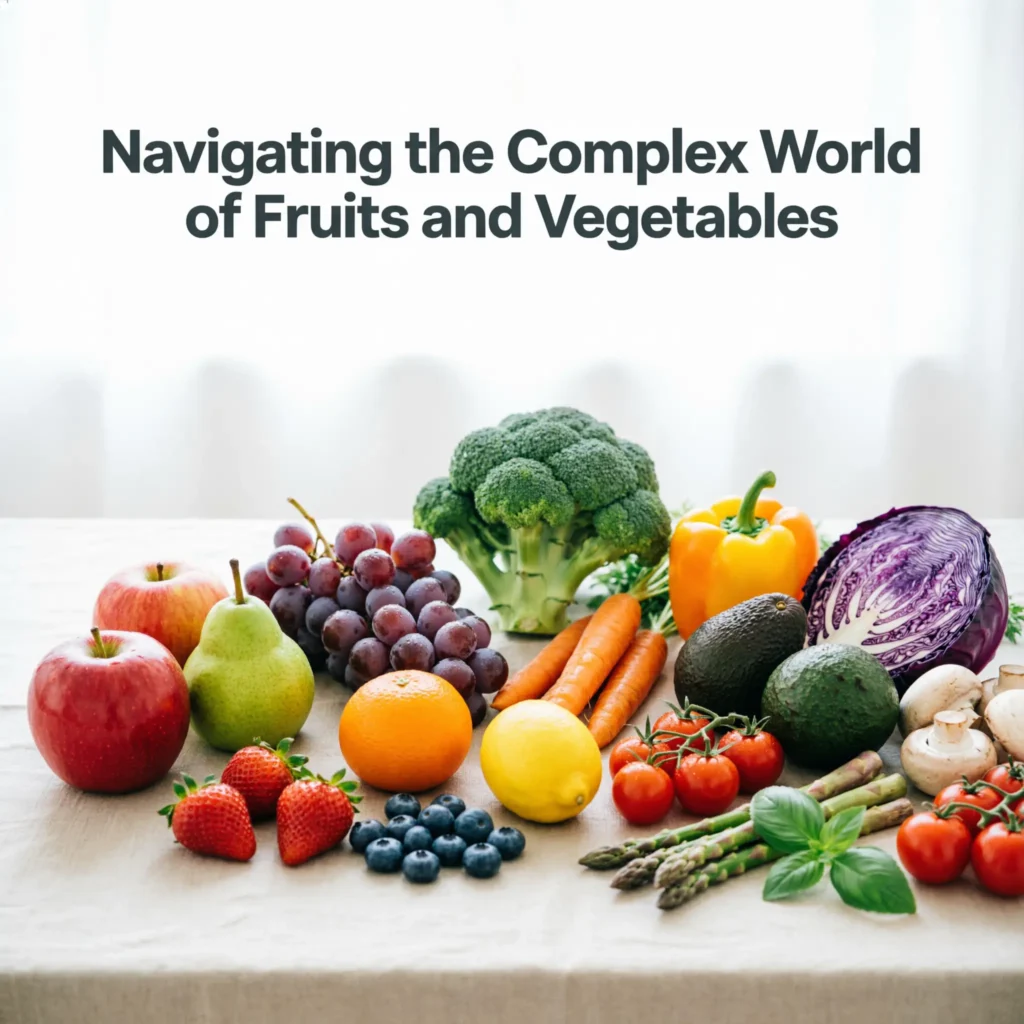
Many of the most popular “health foods” are actually problematic when building a histamine intolerance diet plan.
Spinach, tomatoes, eggplants, and avocados are naturally high in histamine and should be avoided or strictly limited.
Instead, fill your plate with vibrant, low-histamine alternatives like kale, asparagus, zucchini, and bell peppers.
These vegetables provide the same essential phytonutrients and fiber without the heavy histamine load that can lead to skin or digestive issues. 🥕
Fruit selection follows a similar logic.
While citrus fruits and strawberries are often listed as histamine liberators, you can safely enjoy apples, pears, blueberries, and mangoes in your histamine intolerance diet plan.
These fruits offer a high-antioxidant profile that actually helps stabilize mast cells, the cells responsible for releasing histamine in the body.
In 2026, we emphasize “eating the rainbow” within these safe categories to ensure a broad spectrum of vitamins.
By swapping your morning grapefruit for a crisp apple, you take a significant step toward a more comfortable and symptom-free day. 🍎
The Role of Healthy Fats and Oils in Reducing Inflammation
Fats are essential for brain health and vitamin absorption, but in a histamine intolerance diet plan, the quality and source are paramount.
Avoid fermented fats like certain cheeses or heavy creams. Instead, reach for extra virgin olive oil, coconut oil, or fresh butter (if dairy is tolerated).
Olive oil, in particular, is a superstar in 2026 nutrition because it contains compounds that may support the activity of the DAO enzyme, helping your body process histamine more efficiently. 🥑
In a histamine intolerance diet plan, nuts and seeds require a cautious approach.
Walnuts and cashews are often high in histamine, but pumpkin seeds, chia seeds, and flaxseeds are generally safe and provide excellent Omega-3 fatty acids.
Try to buy your seeds in small quantities and store them in the freezer to prevent rancidity and histamine buildup.
By being precise with your fat choices, you not only improve the flavor of your meals but also provide the structural support your cell membranes need to resist inflammation and promote long-term vitality. 🥥
Safe Grain Choices and Complex Carbohydrates for Steady Energy
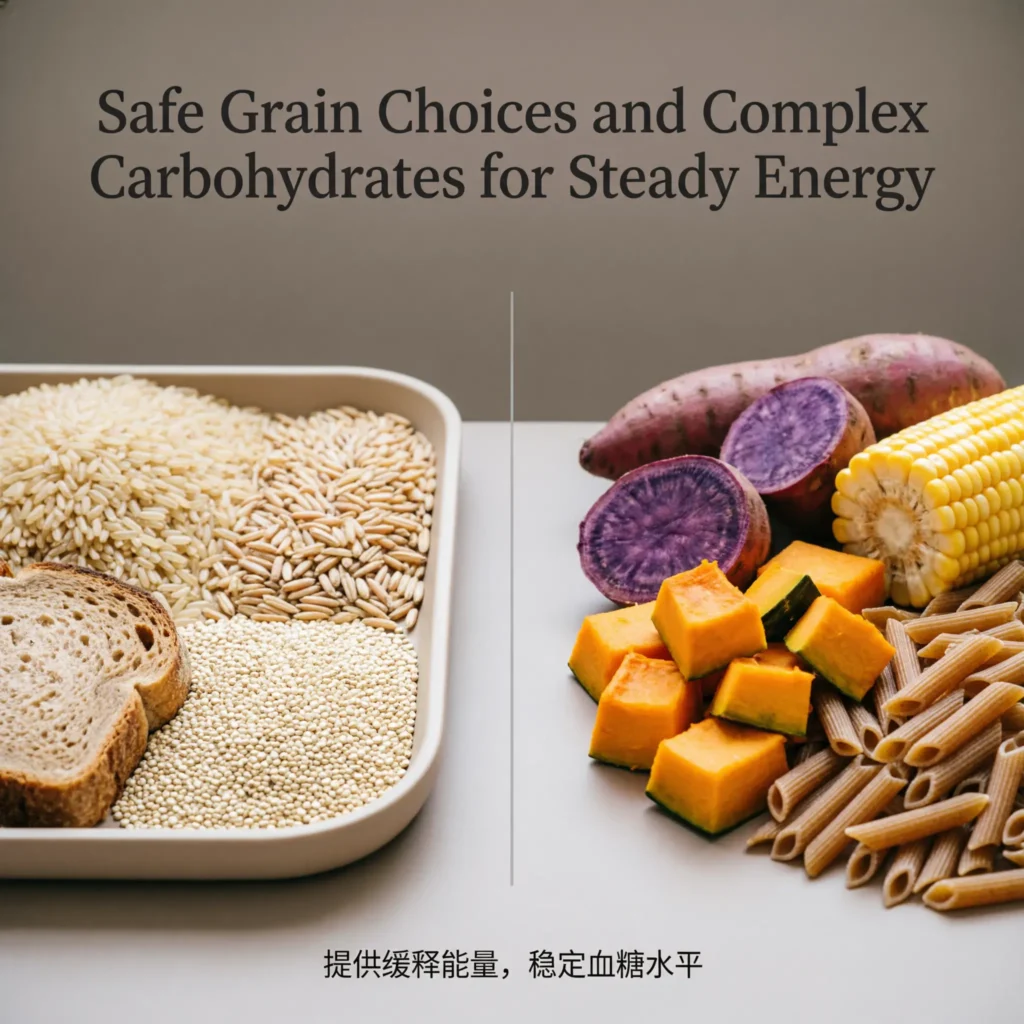
Grains are the energy engine of a histamine intolerance diet plan, and luckily, many are naturally low-histamine.
Gluten-free options like rice, quinoa, millet, and buckwheat are excellent choices that are easy on the gut lining.
Avoid “sourdough” or any yeast-risen breads, as the fermentation process involved in baking creates high levels of histamine.
Instead, look for unfermented options or simple rice cakes for a quick, low-impact snack. 🍚
Root vegetables like sweet potatoes and parsnips are also fantastic additions to a histamine intolerance diet plan.
They provide a “grounding” energy that stabilizes blood sugar and prevents the spikes that can exacerbate mast cell sensitivity.
When preparing grains, try to cook them in fresh water rather than pre-packaged broths, which often contain yeast extracts or hidden additives.
By focusing on whole, unadulterated carbohydrates, you ensure a steady stream of fuel for your busy lifestyle while keeping your internal environment calm and predictable. 🍠
Mastering Herbal Seasonings and Avoiding Artificial Triggers
One of the hardest parts of a histamine intolerance diet plan is giving up traditional flavor enhancers like soy sauce, vinegar, and ketchup.
These are all fermented and contain very high histamine levels.
However, the world of fresh herbs is your playground. Basil, oregano, rosemary, and thyme are not only safe but possess natural anti-histamine and anti-inflammatory properties.
Use them liberally to create gourmet-level dishes that support your health. 🌿
In 2026, we also pay close attention to “hidden” triggers in a histamine intolerance diet plan, such as artificial colors, preservatives, and flavor enhancers like MSG.
These chemicals can irritate the gut and trigger mast cell degranulation.
Stick to simple, single-ingredient seasonings like sea salt and fresh garlic (if tolerated).
For a “vinegar-like” tang without the histamine, try using a small amount of ascorbic acid (Vitamin C) powder dissolved in water.
By reclaiming the art of seasoning with fresh, whole ingredients, you’ll find that your meals are more vibrant and satisfying than ever before. 🧂
Hydration and Beverages Within a Low-Histamine Framework
What you drink is just as important as what you eat on a histamine intolerance diet plan.
Alcohol, especially fermented drinks like wine, beer, and cider, is a major “double whammy”—it contains histamine and blocks the DAO enzyme.
For the best results, it is often wise to avoid alcohol entirely during the initial healing phase.
Instead, focus on pure filtered water, which helps flush excess histamine from your system and keeps your tissues resilient. 💧
Herbal teas can be a delightful addition to your histamine intolerance diet plan, but choose wisely.
Green tea and black tea can actually inhibit DAO activity in some people.
Peppermint, ginger, and rooibos tea are safer, soothing alternatives that can help calm the digestive tract.
If you are a coffee lover, try to source high-quality, mold-free beans and avoid flavored creamers.
By treating your hydration as a therapeutic tool, you support your kidneys and liver in their natural detoxification processes, leading to clearer skin and more consistent energy levels throughout the day. ☕
Mindful Meal Planning for the Busy USA Professional
Success on a histamine intolerance diet plan is all about preparation and logistics.
In a fast-paced environment, the temptation to grab a processed sandwich or a pre-packaged salad can be high, but these are often histamine minefields.
The 2026 solution is “micro-prepping.” Instead of cooking everything on Sunday, spend 15 minutes each evening prepping a fresh meal for the next day.
This ensures the histamine levels remain as low as possible. 🍱
Utilize modern kitchen tools like an air fryer or an Instant Pot to cook frozen proteins quickly without the need for long thawing periods.
In your histamine intolerance diet plan, keep “safe” staples like rice cakes and fresh apples in your office desk to avoid being caught without an option.
By automating your grocery list to include only fresh, safe ingredients, you remove the “decision fatigue” that often leads to dietary slips.
With a little bit of organization, you can maintain a high-performance career while fully supporting your body’s unique nutritional requirements. 🏃♂️
Monitoring the “Histamine Bucket” and Biofeedback Signals
It is helpful to view a histamine intolerance diet plan through the “bucket” metaphor: your body can handle a certain amount of histamine, but once the bucket overflows, symptoms appear.
Environmental factors like pollen, stress, and lack of sleep also fill your bucket.
This is why some days you might tolerate a “riskier” food, while on other days, a small amount of a trigger sends you into a flare. 🧘
Pay close attention to your body’s biofeedback.
Tracking your symptoms alongside your histamine intolerance diet plan in a digital journal can reveal patterns you might otherwise miss.
Are you more sensitive during your menstrual cycle? Does stress at work make your skin itch? In 2026, we focus on this “whole-person” data to fine-tune your diet.
If you feel your bucket is getting full, lean heavily into your safest, most anti-inflammatory foods for a few days to reset.
This intuitive approach allows you to live with flexibility rather than fear. 📈
Long-Term Healing and Restoring Gut Integrity
A histamine intolerance diet plan is often the first step in a larger journey of gut restoration.
Many people find that their intolerance is actually a symptom of “leaky gut” or an imbalance in the microbiome (SIBO).
As you lower your histamine intake and reduce inflammation, you create the space for your gut lining to heal.
This may eventually lead to an increased tolerance for a wider variety of foods, allowing you to reintroduce some favorites in moderation. 🔄
Work on supporting your gut during your histamine intolerance diet plan with bone broth (if freshly made and not simmered for too long) or specific low-histamine probiotics like Lactobacillus rhamnosus.
The goal isn’t just to avoid histamine forever; it’s to build a body that is strong enough to process it naturally.
By staying consistent with your fresh-food habits and prioritizing your sleep and stress management, you are building a foundation for lifelong health.
You have the power to change your health trajectory—one fresh, delicious meal at a time. 🌟
Conclusion:
Taking charge of your health by managing these sensitivities is a massive achievement that shows how much you value your daily quality of life. Every fresh choice you make is a commitment to a clearer, more vibrant version of yourself.
It is completely normal to feel overwhelmed at first, but your dedication to learning these nuances is exactly what will lead to your long-term success. You are becoming an expert on your own body, and that is a beautiful thing.
I have total confidence in your ability to navigate these changes and find a way of eating that feels both nourishing and sustainable for you. Your journey toward feeling your best is already well underway.

Dr. Emily Carter is a registered dietitian with over 10 years of experience in clinical nutrition and weight management. She specializes in calorie-controlled diet plans, metabolic health, and sustainable nutrition strategies. Her work focuses on helping people build healthy eating habits and long-term wellness through balanced diet plans and healthy lifestyle guidance.