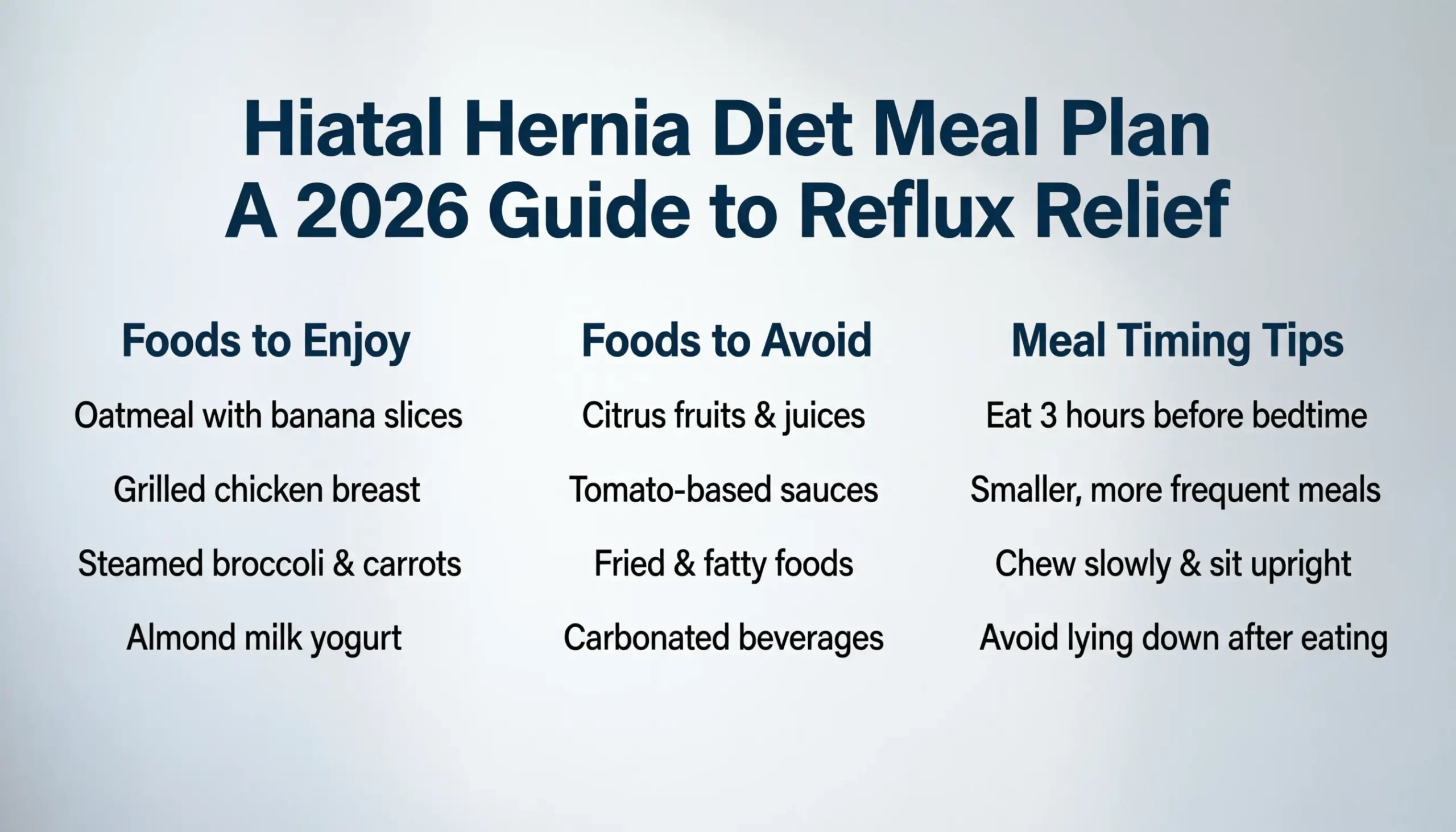
Hiatal Hernia Diet Meal Plan A 2026 Guide to Reflux Relief
Crafting a hiatal hernia diet meal plan requires a delicate balance between providing deep nourishment and maintaining a peaceful digestive environment.
When the upper part of the stomach pushes through the diaphragm, the focus shifts from just “what” you eat to “how” those foods interact with your esophageal lining.
In 2026, the gold standard for managing this condition involves a “low-pressure” approach, prioritizing foods that soothe inflammation while avoiding those that trigger the unwelcome rise of stomach acid.
By emphasizing alkaline-leaning ingredients and gentle textures, a hiatal hernia diet meal plan acts as a functional tool to reduce physical discomfort and prevent long-term irritation.
This proactive strategy isn’t about boring plates; it’s about discovering flavorful, high-quality ingredients that allow your digestive system to rest and heal.
Through mindful selection and intentional timing, you can reclaim the joy of eating while supporting your body’s unique structural needs with every bite.
Prioritizing Lean Protein Sources in Your Hiatal Hernia Diet Meal Plan
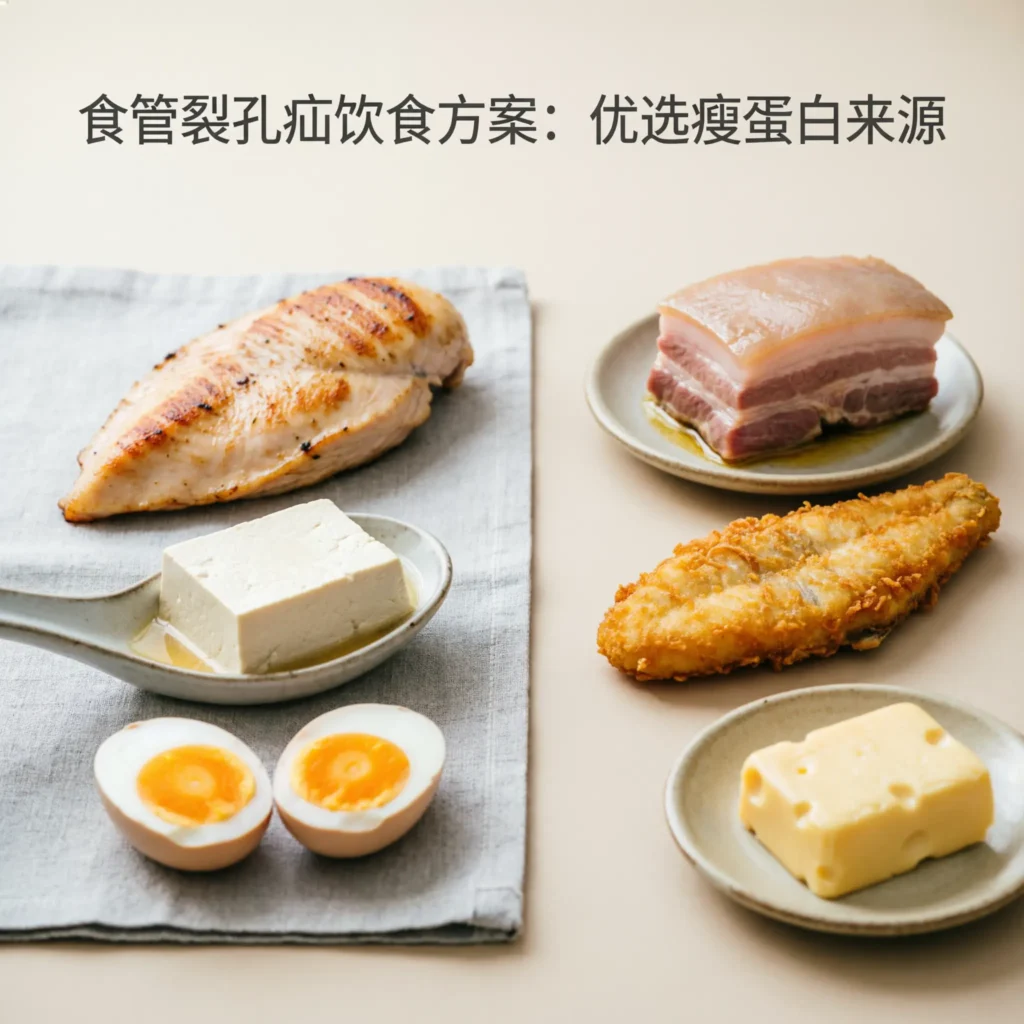
Selecting the right protein is the foundation of a successful hiatal hernia diet meal plan.
High-fat meats can slow down stomach emptying, which increases the pressure on your lower esophageal sphincter and potentially worsens symptoms.
Instead, lean toward skinless poultry, flaky white fish, egg whites, or silk tofu.
These options are easy for the stomach to break down without requiring excessive acid production.
When preparing these proteins, steaming, poaching, or baking are your best friends, as they avoid the heavy oils used in frying that can trigger reflux. 🐟
In a 2026 hiatal hernia diet meal plan, we also look at the texture of your protein.
For some, ground turkey or finely chopped chicken is better tolerated than a whole steak because it requires less mechanical digestion.
Aim to include a palm-sized portion of these lean proteins at each meal to keep you satisfied and support muscle maintenance.
By avoiding spicy marinades and instead using mild herbs like parsley or cilantro, you ensure your protein intake remains both safe and delicious.
This thoughtful approach helps stabilize your energy levels without taxing your digestive tract. 🍗
Integrating Non-Acidic Fruits and Vegetables for Gentle Fiber
Fiber is essential for regular digestion, but for those on a hiatal hernia diet meal plan, not all produce is created equal.
Highly acidic fruits like oranges, lemons, and grapefruits can irritate a sensitive esophagus almost immediately.
Instead, reach for “stomach-friendly” options like melons, bananas, and pears.
These fruits are naturally low in acid and have a soothing effect on the digestive lining.
In your hiatal hernia diet meal plan, vegetables like carrots, green beans, and zucchini should take center stage, as they provide essential nutrients without the gas-producing tendencies of broccoli or cabbage. 🍌
Preparation is key when it comes to vegetables.
Raw veggies can be tough to digest and may cause the stomach to expand uncomfortably.
Soft-cooking or pureeing your vegetables into a smooth soup can make them much gentler on your system.
For a busy beginner, a simple carrot and ginger soup is an excellent addition to a hiatal hernia diet meal plan, offering anti-inflammatory benefits while being incredibly easy to digest.
By focusing on these alkaline, water-rich plants, you ensure your body receives a spectrum of antioxidants without the risk of a “reflux flare-up” after your meal. 🥕
The Strategic Role of Complex Carbohydrates and Whole Grains
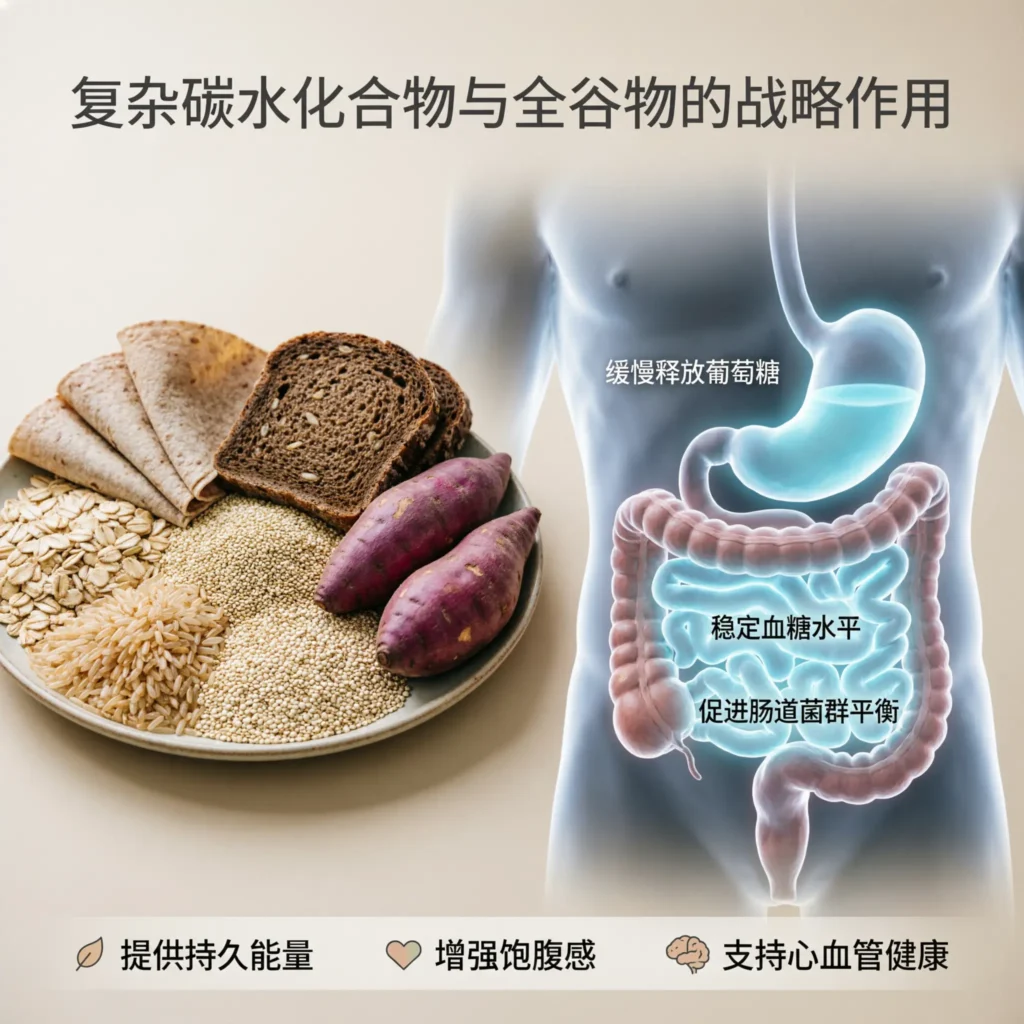
Carbohydrates provide the energy your brain and muscles need, but in a hiatal hernia diet meal plan, the source matters immensely.
Refined grains like white bread and sugary pastries can lead to rapid fermentation in the gut, causing gas and pressure that pushes against the hernia.
Instead, opt for “ancient grains” like oatmeal, brown rice, or quinoa.
These are packed with soluble fiber, which helps move food through the digestive tract smoothly, reducing the time acid sits in the stomach. 🌾
A classic staple for any hiatal hernia diet meal plan is a bowl of steel-cut oats.
Oats are not only filling but act as a natural buffer against stomach acid.
When incorporating grains, keep the portions moderate; an overfilled stomach is one of the primary triggers for discomfort.
Think of grains as the “base” of your meal rather than the main event. By choosing slow-digesting, complex carbohydrates, you maintain steady blood sugar levels and avoid the bloating that often complicates hiatal hernia management.
This steady approach keeps your digestive rhythm consistent and predictable. 🥣
Healthy Fat Management Within a Hiatal Hernia Diet Meal Plan
Fat is a necessary nutrient for hormone health, but because it stays in the stomach longer than carbs or protein, it must be managed with care in a hiatal hernia diet meal plan.
High-fat meals are notorious for relaxing the valve between the esophagus and stomach, which is exactly what we want to avoid.
The 2026 strategy involves “micro-dosing” healthy fats.
A small slice of avocado or a teaspoon of extra virgin olive oil can provide the essential fatty acids you need without causing a heavy, “bottomless” feeling in your stomach. 🥑
When following a hiatal hernia diet meal plan, avoid hidden fats like those found in creamy dressings, buttered popcorn, or full-fat dairy.
Instead, look for low-fat or non-fat Greek yogurt, which provides probiotics that support gut health.
If you enjoy nuts, try them in butter form—like a thin spread of almond butter on a rice cake—as the smooth consistency is often better tolerated than whole, crunchy nuts.
By being intentional with your fat sources, you protect your esophageal health while still enjoying the satiety and flavor that fats bring to your diet. ✨
The “Mini-Meal” Frequency Method for Digestive Ease
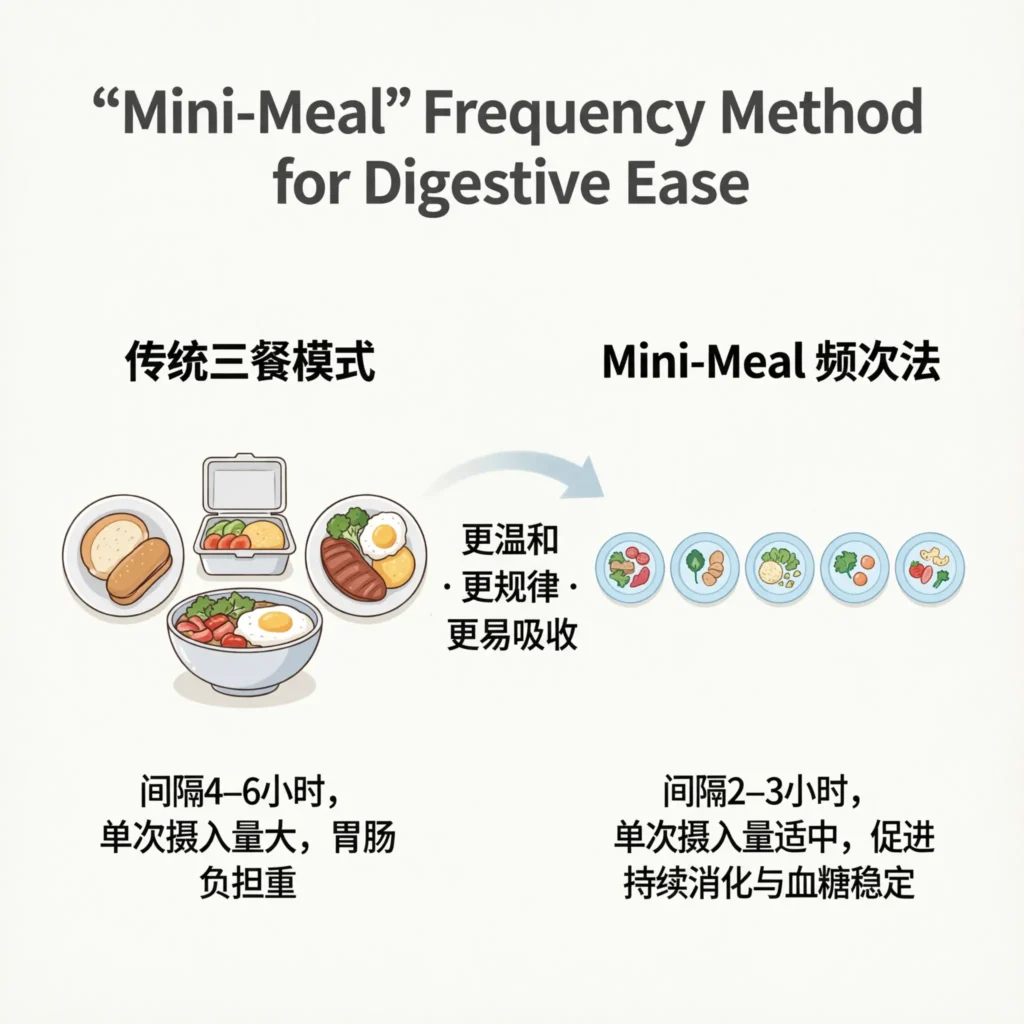
One of the most effective lifestyle adjustments for a hiatal hernia diet meal plan is changing your meal frequency.
Instead of the traditional three large meals, shifting to five or six smaller “mini-meals” can significantly reduce the pressure on your diaphragm.
When the stomach is never over-distended, the risk of acid reflux or the hernia causing discomfort is greatly minimized.
This “grazing” style of eating ensures a steady supply of nutrients without the “heavy” feeling that follows a large dinner. 🍱
For a busy professional in the USA, this might mean having a small breakfast, a mid-morning snack of non-fat yogurt, a light lunch, an afternoon pear, and a small, early dinner.
In your hiatal hernia diet meal plan, consistency is more important than volume.
Try to eat every three hours to keep your digestive juices engaged but never overwhelmed.
This approach also helps prevent the intense hunger that leads to “bolus eating” or swallowing too much air, which can be particularly painful for those with a hiatal hernia.
Small, frequent victories lead to long-term comfort. 🥗
Hydration Timing and Fluid Choices for Reflux Prevention
Staying hydrated is vital, but when you drink is just as important as what you drink when following a hiatal hernia diet meal plan.
Drinking large amounts of liquid during a meal can increase stomach volume and pressure.
A better strategy is to sip water primarily between meals.
This keeps your tissues hydrated without filling your stomach to the point of discomfort.
When selecting beverages, avoid carbonated drinks, as the bubbles release gas that can cause painful bloating and push acid upward. 💧
The 2026 hiatal hernia diet meal plan encourages the use of soothing herbal infusions.
Chamomile or ginger tea (if not too spicy) can be wonderful for calming the digestive tract.
Be wary of caffeine and alcohol, as both are known triggers that relax the esophageal sphincter.
If you love coffee, try a “cold brew” or a low-acid roast, and always keep the portion small.
By treating hydration as a separate, intentional activity from eating, you create a much more comfortable environment for your stomach and esophagus to coexist peacefully. ☕
Identifying and Avoiding Common Trigger Foods and Spices
Every successful hiatal hernia diet meal plan must include a “forbidden” list that is strictly personalized.
Common triggers like garlic, onions, peppermint, and chocolate are known to relax the esophageal valve or irritate the lining.
Spicy peppers and heavy black pepper can also turn a peaceful meal into a painful experience.
While it may feel restrictive at first, removing these triggers allows your body to heal and reduces the frequency of flare-ups. 🌶️
In your hiatal hernia diet meal plan, focus on “flavor builders” that are gentle.
Use fresh herbs like basil, oregano, and thyme to add depth to your meals without the heat.
If you miss the “kick” of onions, try using the green tops of spring onions or a tiny bit of asafoetida powder, which gives a similar flavor without the digestive distress.
By becoming a “flavor detective,” you can enjoy gourmet-level meals that align perfectly with your health needs.
Remember, the goal is to enjoy your food while respecting the physical boundaries of your body. 🌿
Mindful Eating and Chewing Techniques for Better Digestion
The physical process of eating is a major component of any hiatal hernia diet meal plan.
Digestion begins in the mouth, and for those with a hernia, the more work you do with your teeth, the less work your stomach has to do.
Aim to chew each bite until it is a liquid-like consistency.
This reduces the amount of stomach acid needed and prevents large pieces of food from putting pressure on the esophageal opening. 🧠
Practicing “mindful eating” while following your hiatal hernia diet meal plan means putting your fork down between bites and avoiding distractions like phones or TV.
When you are focused on your meal, you are more likely to notice the “satisfied” signal from your brain before you become “overfull.”
Additionally, eating in an upright, relaxed posture is essential.
Slouching while eating can compress the abdomen, making hernia symptoms worse.
By treating each meal as a dedicated session of self-care, you optimize your digestion and enhance the effectiveness of your nutritional choices. 🧘
The Critical “Sunset Rule” for Late-Night Eating
One of the most important rules for a hiatal hernia diet meal plan is the timing of your final meal of the day.
Gravity is your best ally in keeping acid where it belongs.
You should aim to finish your last meal at least three hours before lying down for sleep.
This allows your stomach enough time to empty completely, ensuring that when you do recline, there is nothing left to “spill” back into the esophagus. 🌅
If you find yourself hungry late at night, stick to a very small, “safe” snack like a few bites of a banana or a small serving of applesauce.
Avoid the temptation of a “midnight snack,” especially if it involves fats or sugars.
In your hiatal hernia diet meal plan, the evening is a time for the digestive system to wind down.
Many people find that propping up the head of their bed by six inches also helps keep acid down during the night.
By aligning your eating schedule with your sleep cycle, you ensure a restful night free from the burning discomfort of reflux. 🌙
Long-Term Sustainability and Monitoring Your Progress
A hiatal hernia diet meal plan is a dynamic tool that should evolve as your body heals.
In the initial phases, you might be more restrictive, but as your symptoms stabilize, you can slowly reintroduce foods one by one to see how you react.
Keep a “food and symptom” journal to track which ingredients are your “power foods” and which ones are “red flags.”
This personalized data is more valuable than any generic list. 📈
The ultimate goal of a hiatal hernia diet meal plan is to empower you to live a life that isn’t dictated by digestive pain.
Over time, these habits—small portions, lean proteins, and early dinners—will become second nature.
You’ll find that you not only feel better digestively, but you likely have more energy and better overall health.
Consistency is the key to managing a hiatal hernia long-term.
By staying committed to these gentle, nourishing principles, you are investing in a future where you can eat with confidence and move through your day with ease. 🌟
Conclusion:
Making these changes is a powerful act of kindness toward your body and its unique needs. You are learning to listen to what your system requires to function at its very best every day.
It takes real patience and dedication to adjust your lifelong habits, and you should be incredibly proud of the progress you are making. Each mindful choice is a step toward comfort.
Your resilience in navigating these dietary shifts is a testament to how much you value your health. Believe in your ability to master this new way of eating for long-term vitality.

Jessica Brown is a healthy lifestyle and meal planning expert who focuses on practical nutrition strategies and balanced eating habits. She writes simple and effective diet plans designed to help people maintain healthy lifestyles and achieve long-term wellness goals.