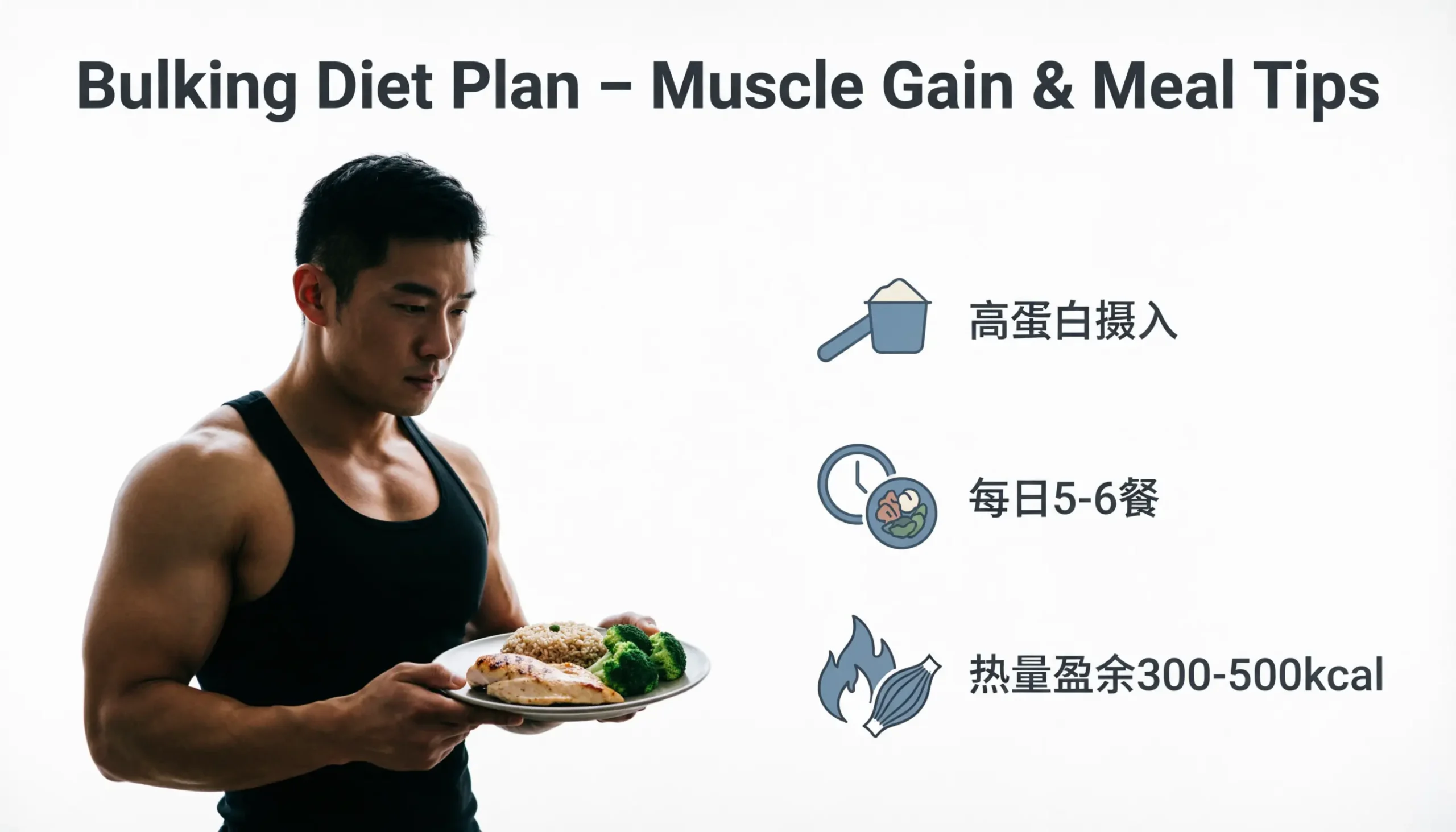
Bulking Diet Plan – Muscle Gain & Meal Tips
A bulking diet plan is a cornerstone for bodybuilders and fitness enthusiasts looking to gain muscle mass efficiently.
Unlike general diets, a bulking plan focuses on consuming a calorie surplus while emphasizing high-quality protein, complex carbohydrates, and healthy fats.
This type of nutrition strategy became famous in bodybuilding because it fuels intense training sessions, promotes recovery, and maximizes muscle protein synthesis.
Many beginners struggle with gaining lean mass without accumulating excessive fat, making structured meal plans essential.
A well-designed bulking diet not only provides the energy needed for heavy lifting but also ensures nutrient timing, meal prep efficiency, and macronutrient balance.
By understanding the principles behind a bulking diet plan, busy adults can adopt a practical, science-based approach to build strength and size sustainably.
MEDICAL DISCLAIMER
This article provides general nutrition information for educational purposes only. It is not medical advice. Always consult a qualified healthcare professional or registered dietitian before making major diet changes.
Strategic Protein Targets in Your Bulking Diet Plan 🍗💪
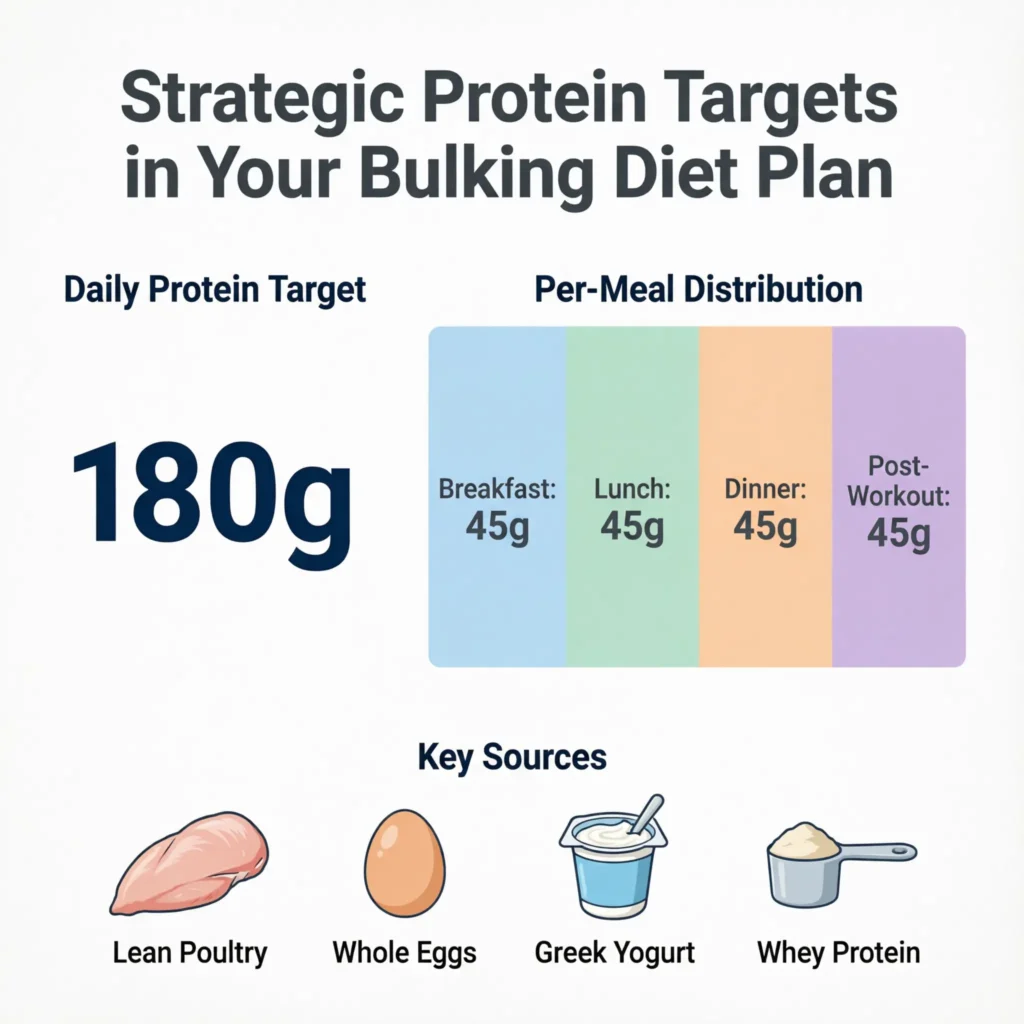
Protein is the foundation of muscle growth, and a bulking diet plan prioritizes adequate protein intake spread across the day. Most research recommends 1.6–2.2 grams of protein per kilogram of body weight for optimal muscle protein synthesis.
Protein Sources for Bulking:
- Lean meats: chicken, turkey, beef
- Fish: salmon, cod, tilapia
- Eggs and dairy: whole eggs, Greek yogurt, cottage cheese
- Plant-based options: lentils, chickpeas, tofu
- Protein supplements: whey or casein protein
Practical Tips:
- Divide protein evenly over 5–6 meals to support constant recovery.
- Post-workout shakes aid rapid muscle repair within 30–60 minutes.
- Combine protein with carbs to replenish glycogen and enhance growth.
According to studies published by the NIH and Harvard Health, protein timing and quality are crucial for maximizing lean muscle gains while minimizing fat accumulation. Proper planning ensures a bulking diet supports strength and mass development.
Carbohydrate Planning for Maximum Muscle in a Bulking Diet Plan 🍚⚡
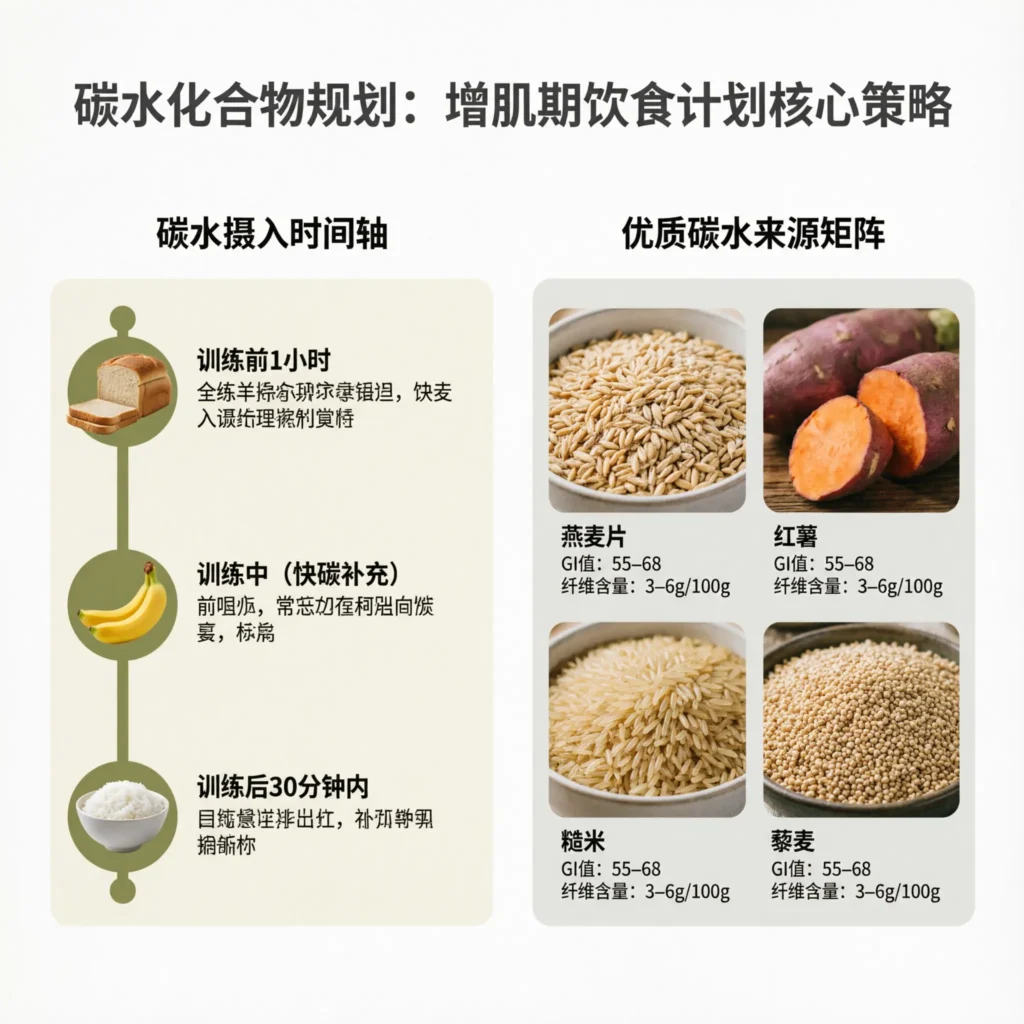
Carbs are the primary energy source during high-intensity workouts, making them essential in any bulking diet plan. Complex carbohydrates provide sustained energy, while simple carbs around training sessions enhance performance and recovery.
Recommended Carb Sources:
- Brown rice, oats, quinoa, whole-grain bread
- Sweet potatoes, legumes, fruits like bananas and berries
- Starchy vegetables for added energy
Tips for Busy Adults:
- Eat complex carbs in the morning and pre-workout for steady energy.
- Include simple carbs post-workout to accelerate glycogen replenishment.
- Track intake using apps to maintain a slight calorie surplus without overdoing fats.
Featured Snippet Insight:
The WHO emphasizes that carbohydrates are essential for endurance and energy, while research shows timing them around workouts improves performance and muscle recovery. A proper bulking diet plan balances carb quality and quantity for sustainable growth.
Fats and Micronutrients in an Effective Bulking Diet Plan 🥑🌰
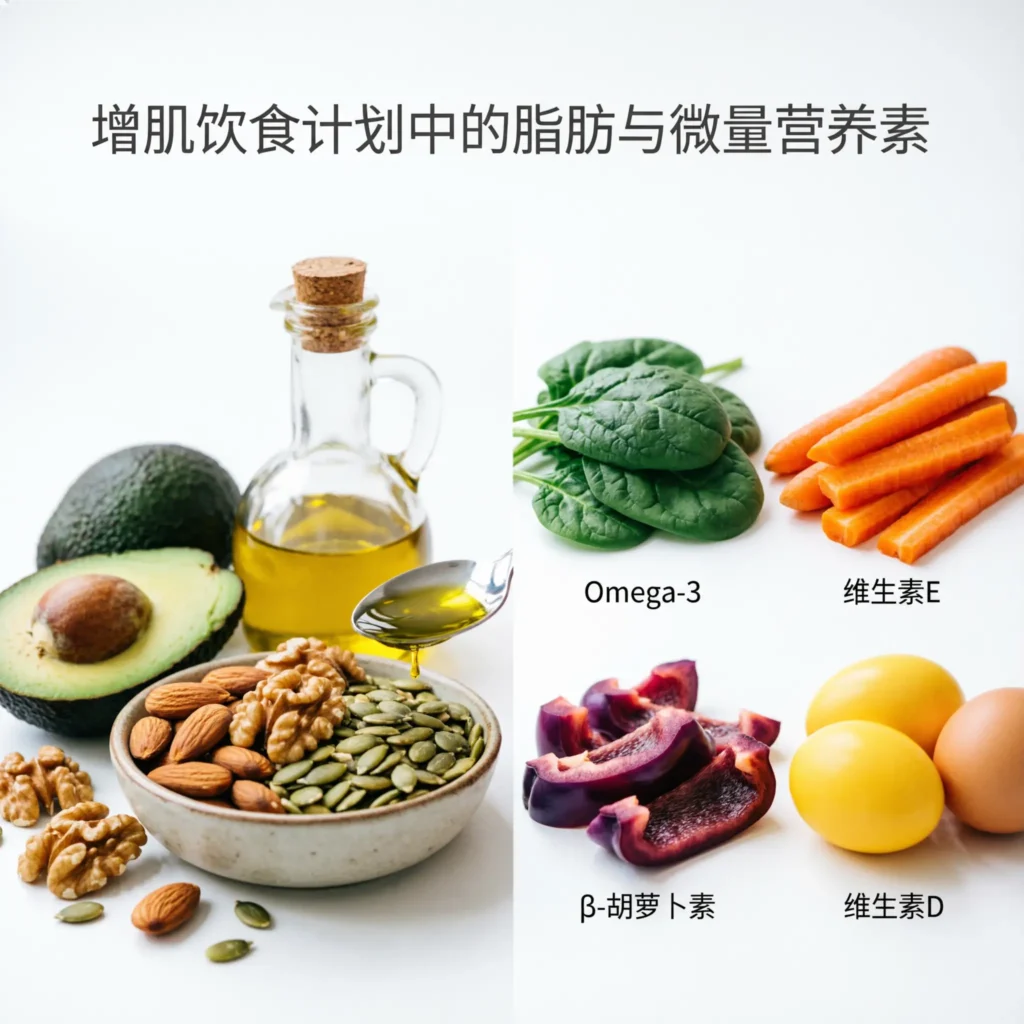
Healthy fats and micronutrients are often overlooked but play a vital role in hormone regulation, joint health, and overall wellness during bulking.
Recommended Fat Sources:
- Nuts and seeds: almonds, walnuts, chia seeds
- Healthy oils: olive oil, avocado oil, coconut oil
- Fatty fish: salmon, mackerel for omega-3 fatty acids
Micronutrient Tips:
- Include a variety of colorful vegetables for vitamins and minerals.
- Consider a daily multivitamin if food variety is limited.
- Hydrate adequately to support metabolism and recovery.
Practical Advice:
- Limit processed and trans fats.
- Pair fats with protein to enhance satiety and meal satisfaction.
- Track calories from fat to avoid excessive accumulation while bulking.
Scientific Backing:
Research from Mayo Clinic and peer-reviewed nutrition studies show that healthy fats improve testosterone production, support cardiovascular health, and reduce inflammation, all of which are critical for muscle growth during a bulking phase.
Meal Timing and Preparation in a Bulking Diet Plan ⏰🍳
Meal timing and preparation are crucial for busy adults following a bulking diet plan. Eating frequently every 2–3 hours helps maintain energy, support muscle protein synthesis, and prevent overeating in single meals.
Meal Prep Strategies:
- Cook proteins, carbs, and vegetables in bulk for the week.
- Portion meals into containers with macronutrient labels.
- Keep healthy snacks like Greek yogurt, nuts, or protein bars ready.
Sample Daily Schedule:
| Time | Meal | Focus |
|---|---|---|
| 7:00 AM | Breakfast | Protein + Complex carbs |
| 10:00 AM | Snack | Protein + Fruit |
| 1:00 PM | Lunch | Protein + Veggies + Carbs |
| 4:00 PM | Pre-workout | Protein + Carbs |
| 6:30 PM | Post-workout | Protein shake + Simple carbs |
| 8:30 PM | Dinner | Protein + Veggies + Healthy fats |
| 10:30 PM | Bedtime Snack | Casein protein |
Tips:
- Pre-portioning saves time and prevents skipped meals.
- Meal prep supports adherence even on busy schedules.
- Adjust portions for total calorie needs depending on training intensity.
Harvard Health research emphasizes that planned eating and frequent, balanced meals improve compliance and results in bodybuilding programs.
Sample 1-Day Bulking Meal Plan and Supplements 🥗💊
Breakfast:
- 6 egg whites + 2 whole eggs
- 1 cup oatmeal with berries
- 1 banana
Snack:
- Whey protein shake
- 1 apple
Lunch:
- 200g grilled chicken breast
- 1 cup brown rice
- Steamed broccoli
Pre-Workout:
- 1 scoop whey protein
- 1 cup oats + 1 banana
Post-Workout:
- Whey protein shake
- 1 banana
Dinner:
- 200g lean beef
- Sweet potato
- Green beans
Bedtime Snack:
- Casein protein shake
- 15 almonds
Supplements:
- Whey protein: Supports post-workout recovery
- Creatine monohydrate: Increases strength and power
- Fish oil: Supports joints and cardiovascular health
- Multivitamin: Covers potential micronutrient gaps
Practical Tips:
- Adjust calories according to body weight and goals.
- Use food tracking apps for accountability.
- Focus on consistency rather than perfection.
Conclusion
A bulking diet plan is essential for building lean muscle efficiently while minimizing fat gain. Key takeaways:
- Prioritize high-quality protein for muscle repair and growth.
- Include complex carbohydrates for sustained energy.
- Consume healthy fats and micronutrients for hormones and recovery.
- Plan meals and snacks strategically for busy lifestyles.
- Consider supplements to support training without replacing real food.
Busy adults in the UK, USA, or globally can adopt these strategies to achieve sustainable muscle growth and improved body composition.
Always consult a healthcare professional before making major dietary changes.
Featured Snippet
A bulking diet plan emphasizes high protein, complex carbs, healthy fats, and frequent meals to support muscle growth.
Meal prep, strategic timing, and selective supplements improve recovery and results.
Proper calorie surplus and macronutrient balance ensure lean gains for busy adults, making bulking both practical and science-backed.
Author Expertise Note:
Written by Dania Rodriguez, a nutrition researcher and health writer specializing in bodybuilding and evidence-based meal planning. With 8+ years of experience, Nabeel translates complex nutrition science into practical, actionable advice for global readers.
References
- Mayo Clinic – Nutrition and healthy eating guidelines
- National Institutes of Health (NIH) – Protein & muscle health research
- Harvard Health Publishing – Meal timing and bodybuilding nutrition
- World Health Organization (WHO) – Dietary carbohydrates and energy
- Peer-reviewed studies on protein intake, calorie needs, and recovery in strength athletes

Daniel Rodriguez is a sports nutrition consultant who works with runners, athletes, and active individuals. He focuses on endurance nutrition, performance meal planning, and balanced macronutrient strategies that support energy, recovery, and athletic performance.